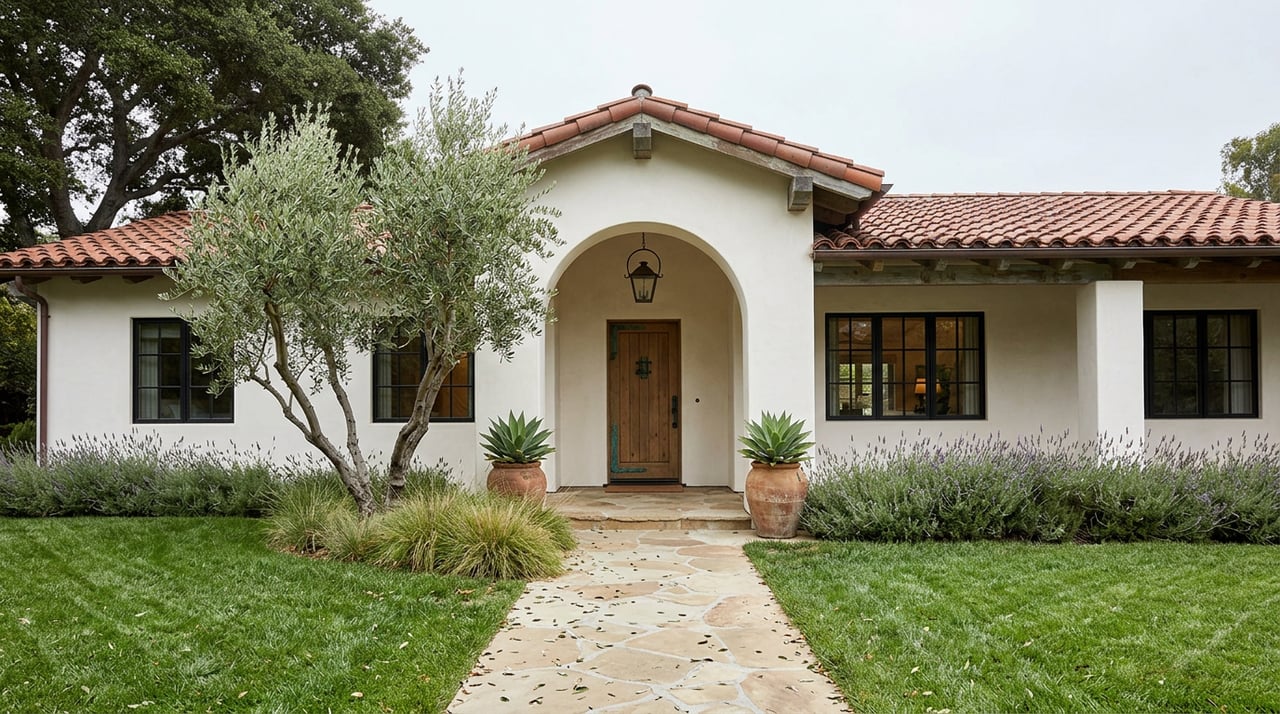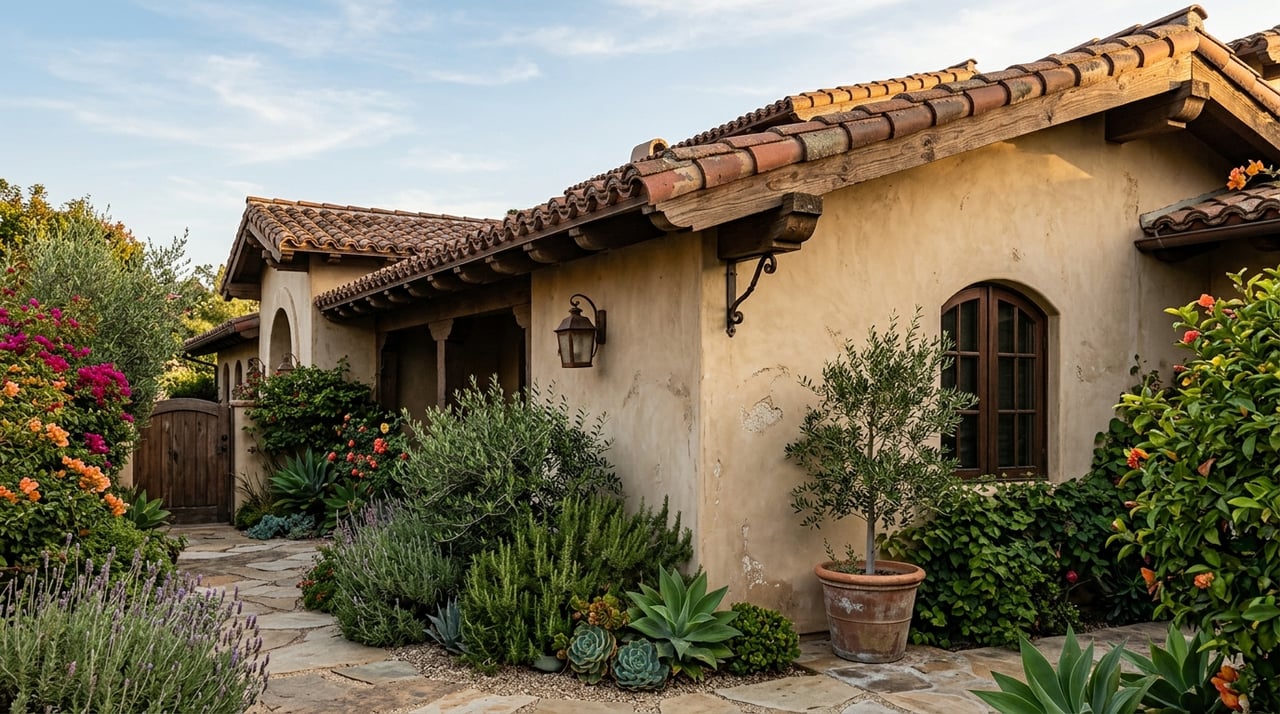
Older homes in Lafayette can be full of charm, character, and smart long-term potential, but they can also come with hidden costs if you do not know what to check. If you are drawn to a classic ranch, an early hillside home, or a property with layers of past remodeling, it helps to look past the finishes and focus on the home’s bones, systems, and paperwork. This guide will walk you through what to look for when buying an older home in Lafayette so you can make a confident, informed decision. Let’s dive in.
Why older homes in Lafayette stand out
Lafayette’s older housing stock is varied, which is part of the appeal. The city describes some of its earliest homes as simple, hand-hewn residences, along with a few larger Victorian-era homes. Later, the building boom of the 1950s and 1960s brought many of the low-slung California ranch homes that still shape Lafayette’s residential character today.
In many parts of town, you may also see homes associated with builder Jack Marchant, who may have built about one-quarter of Lafayette’s roughly 8,500 homes. His work is especially tied to areas such as Burton Valley, Silver Springs, Peardale, Happy Valley, Spring Dell, and Spring Hill. In hillside settings, later homes often leaned toward wood-and-glass designs inspired by Northern California modernism.
That mix means older homes in Lafayette are not one-size-fits-all. One property may be mostly original, while another may have decades of additions, upgrades, and partial remodels layered onto an older structure. As a buyer, that is why due diligence matters so much.
Know the common older-home features
If you are touring a mid-century ranch in Lafayette, you may notice several recurring features. The city notes that ranch homes here commonly include low-pitched roofs, front and rear porches, family rooms, exposed beams, brick fireplaces, and garages instead of carports. These details can add style and function, but they can also signal areas to inspect more closely.
For example, an exposed-beam ceiling or older fireplace may be a design highlight, but it is still worth understanding the condition of the roof above it and the structure around it. A garage conversion, enclosed porch, or expanded family room might also look seamless at first glance, yet still raise important permit and construction questions.
Because Lafayette’s flatter land filled in heavily during the mid-century growth period, neighborhood conditions can vary a lot by terrain and by how much updating has happened over time. Some older homes have been renovated extensively, while others still have older systems behind a more cosmetic refresh.
Start with structure and systems
When you buy an older home, cosmetic appeal should never be your first filter. A thoughtful inspection process should look at the site, exterior, interior, structure, electrical, plumbing, and HVAC systems. In Lafayette, several of those categories deserve extra attention because they also line up with the kinds of work commonly addressed through local permits.
Check foundation and drainage
Foundation condition is a major item in any older home, and it is especially relevant in Lafayette because the city’s permit rules specifically address foundation repair and seismic upgrades. That makes foundation and seismic condition practical due-diligence items, not just theoretical concerns.
You will also want to understand drainage around the home. Water movement can affect foundations over time, and hillside or sloped lots may need even closer review. A clean, updated kitchen does not mean the drainage or structural condition underneath has had the same level of attention.
Review the roof and windows
Roofs and windows are common upgrade categories in Lafayette’s permit framework. If a home has an older roof, aging window systems, or signs of patchwork repairs, you should factor possible replacement or repair into your budget.
Ask when major exterior components were last updated and whether the work was permitted when required. In an older home, deferred maintenance often shows up first in the parts of the home that protect everything else.
Look closely at electrical, plumbing, and HVAC
Older homes often need more than paint and new fixtures. Lafayette’s permit rules highlight electrical service, HVAC systems, water heaters, and bathrooms as common areas of improvement, which is a helpful clue for buyers.
If a home still has older electrical components, aging heating and cooling equipment, or plumbing that has not been modernized, you may be looking at system-level updates rather than simple repairs. That does not make the home a bad purchase, but it does change the true cost of ownership.
Watch for lead and asbestos risks
If the home was built before 1978, you should assume lead-based paint may be present unless testing shows otherwise. Buyers of pre-1978 homes should receive lead disclosure information, and any future renovation work that disturbs painted surfaces should be handled using lead-safe practices by certified contractors.
Asbestos is another issue to approach carefully in older homes. If future remodeling could disturb wallboard, insulation, flooring, pipe wrap, or similar materials, the EPA advises using a trained asbestos professional rather than trying to sample or remove materials yourself.
The key here is not panic. Many older homes are bought and sold successfully every year, but health and safety issues should be handled with the right professionals and with a clear plan before you start renovation work.
Verify permits and remodel history
In Lafayette, permit history can tell you a lot about an older home. The city says permit records from the 1980s to the present are searchable online through public city and county databases, and records can be searched by address, permit number, or contractor information.
That makes permit research one of the most practical ways to verify past additions, reroofs, remodels, and garage conversions. If a home has clearly been expanded or reworked over time, permit history can help you understand what was approved and when.
Why permit records matter
Older homes in Lafayette often have a visible layer of modernization on top of an older shell. Because the city has a long history of remodels, additions, second-unit work, and tear-down or rebuild activity, it is common to see homes that have changed significantly over time.
You will want to know whether those changes were properly documented. Lafayette notes that permit review can involve several steps, and depending on the project, approvals may also involve the sanitary district and fire district. If approved plans were later revised, those revisions also needed approval from both Lafayette Planning and the county building department.
Ask smart permit questions
As you evaluate an older home, consider questions like these:
- Was the addition or remodel permitted?
- Was the garage conversion legally completed?
- When were the roof, windows, HVAC, or water heater updated?
- Was foundation or seismic work done, and if so, was it documented?
- Do the visible improvements match what appears in the public record?
Not every project is handled the same way. Lafayette notes that some work, such as certain termite or dry-rot repairs and some HVAC, water-heater, foundation, and seismic projects, may be exempt from planning zoning plan check, while kitchens, new windows, and skylights are treated differently. That is one more reason not to guess based on appearance alone.
Do not skip Lafayette-specific checks
Every city has its own practical concerns, and Lafayette has a few that deserve special attention during your buying process.
Check wildfire zone status
Lafayette’s current Fire Hazard Severity Zone map took effect on July 10, 2025. If a property is in a High or Very High zone, the city says there are defensible-space standards and Wildland Urban Interface building code considerations to keep in mind.
This is not a small detail. In High or Very High zones, sellers must provide defensible-space compliance documentation, or the buyer must agree to obtain it. In Very High zones, the city says a 100-foot defensible-space clearance applies.
If you are buying an older home in a more wooded or hillside area, this should be part of your early review, not a last-minute surprise. It can affect both your immediate responsibilities and your future maintenance planning.
Inspect the sewer lateral
Central San does not require a point-of-sale sewer lateral inspection ordinance, but it encourages buyers and sellers to inspect the sewer line before closing. That advice is especially relevant for older homes.
The district also notes that property owners are responsible for the sewer line from the house to the main line. Some older homes may not have cleanouts or clear markings that make the lateral easy to locate, which can add complexity if repairs are needed.
If there has been sewer work outside the building, Central San permit and inspection requirements apply separately from the city building permit process. That means sewer due diligence should stand on its own, not get lumped in with the rest of the home inspection.
Budget for likely upgrade categories
One of the smartest ways to buy an older home is to assume that some updates may be needed, even if the house shows well today. Lafayette’s planning rules highlight common improvement categories that buyers should be ready to budget for.
These often include:
- Dry-rot and termite repair
- Electrical or gas work
- HVAC replacement
- Water heater replacement
- Foundation and seismic upgrades
- Bathroom remodels
- Window replacement
- Roof work
This does not mean every older home will need every one of these items. It does mean that if you are comparing an older home with a newer one, the upfront price is only part of the picture. A more realistic comparison includes the condition of the major systems and the likely cost of future work.
Focus on fit, condition, and history
When you buy an older home in Lafayette, the goal is not to find a perfect house. The goal is to understand exactly what you are buying. In practical terms, that usually comes down to three things: how the home fits your lifestyle, what condition the major systems are in, and whether the property’s remodel and permit history makes sense.
That balanced approach can help you separate true value from expensive surprises. A home with original character and well-documented updates may be a stronger choice than one with flashy finishes, unclear records, and aging systems behind the walls.
If you are considering an older home in Lafayette and want a local, practical second opinion as you narrow your options, Joanna Chen can help you look beyond surface appeal and make a more confident move.
FAQs
What should you inspect first when buying an older home in Lafayette?
- Start with the structure and major systems, including the foundation, drainage, roof, electrical, plumbing, and HVAC, before focusing on cosmetic details.
Why do permits matter for older homes in Lafayette?
- Permit history helps you verify past additions, remodels, reroofs, and garage conversions, and Lafayette and county records can be searched by address, permit number, or contractor information.
How do you know if a Lafayette home may have lead-based paint?
- If the home was built before 1978, you should assume lead may be present unless testing shows otherwise, and buyers should receive lead disclosure information.
What is the asbestos concern in an older Lafayette home?
- If remodeling could disturb materials such as insulation, flooring, wallboard, or pipe wrap, a trained asbestos professional should evaluate the situation rather than having you sample or remove materials yourself.
Do older homes in Lafayette need a sewer lateral inspection before closing?
- Central San does not require a point-of-sale sewer lateral inspection, but it encourages buyers and sellers to inspect the sewer line before closing because the property owner is responsible for the line from the house to the main.
How can wildfire zones affect an older home purchase in Lafayette?
- If the property is in a High or Very High Fire Hazard Severity Zone, you may need to address defensible-space requirements, and sellers must provide compliance documentation or the buyer must agree to obtain it.
What upgrades are common in older Lafayette homes?
- Common budget categories include dry-rot and termite repair, electrical or gas work, HVAC and water-heater replacement, foundation and seismic upgrades, bathroom remodels, window replacement, and roof work.