Trying to choose between a brand-new build and an established resale in Danville? It is a big decision that shapes your day-to-day life, your monthly costs, and how soon you can move. In this guide, you will learn the real trade-offs in plain language, plus the local checks that matter in Contra Costa County. You will walk away ready to compare warranties, energy efficiency, lot size, HOA and Mello-Roos, and financing timelines with confidence. Let’s dive in.
Danville market snapshot
Danville is an established East Bay community with mature neighborhoods, tree-lined streets, and a mix of single-family homes, townhomes, and condos. New construction is less common here than in farther-east suburbs, so most new options are small infill projects or nearby planned communities in Contra Costa County. That means choice and availability can change quickly.
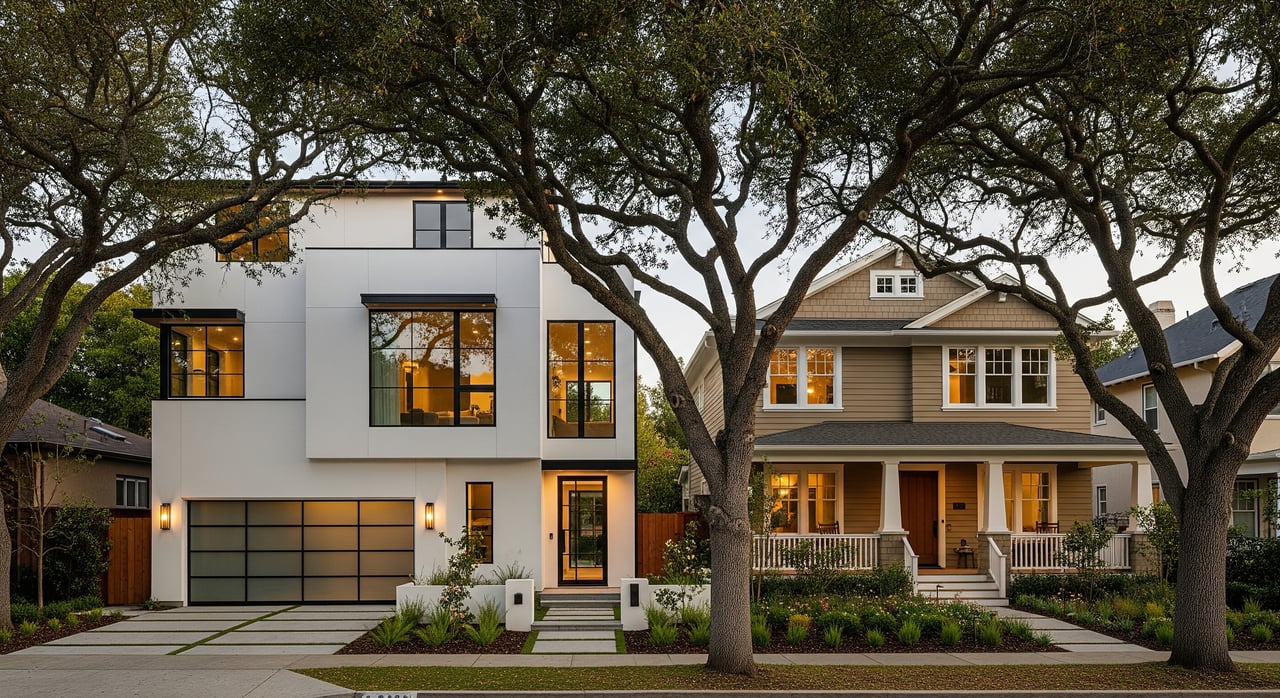
You will often see larger lots and more established landscaping in older Danville neighborhoods. Newer developments may deliver more compact lots or attached homes with new but younger landscaping. Pricing for new construction can carry a premium per square foot, although builders sometimes balance that with incentives or included upgrades.
New construction: what you gain
Warranties and peace of mind
New homes typically come with a builder warranty package. It often includes defined coverage for workmanship, systems, and structural elements for set periods. Terms vary by builder and contract, so plan to read the exact warranty documents and understand how to file service requests.
Energy efficiency and modern systems
New construction must meet current California Title 24 energy standards. You may see high-efficiency HVAC, tankless or heat-pump water heaters, advanced insulation, LED lighting, and EV pre-wiring. Some builders include solar or offer solar-ready packages. These features can lower operating costs, though the actual savings depend on your usage and equipment specifics.
Personalization and fresh finishes
Buying early in a new community can allow you to choose finishes, floor plans, and sometimes structural options. You get a home that fits your style from day one. Keep in mind that upgrades may extend timelines and add to the final price.
Lower immediate maintenance
With brand-new systems and materials, you are less likely to face near-term replacements for roofs, HVAC, or appliances. Plan your long-term budget around warranty expiration dates and typical useful life so you know when future costs might show up.
New construction: what to verify
HOA fees and Mello-Roos
Many new subdivisions and attached communities include HOA dues for common-area care and amenities. Some California communities also use community facilities districts, often called Mello-Roos, that act like special taxes on top of property taxes. Ask for exact HOA documents, budgets, and any special assessments, and confirm whether Mello-Roos applies, the amount, and how long it will last.
Timelines, contracts, and contingencies
Builder contracts can set construction schedules, delay allowances, and deposit requirements. Some limit traditional contingencies or offer only short walk-through inspections. Review the purchase agreement line by line, and understand what happens if materials are delayed or completion dates shift.
Incentives and preferred lenders
Builders often offer closing cost credits, rate buydowns, or upgrade packages. Incentives can be helpful, but they may require using a preferred lender or meeting certain terms. Compare the net price and the final interest rate with independent lender quotes so you know your true cost.
Lot size and neighborhood maturity
Newer homes may sit on smaller lots, with starter landscaping and ongoing construction nearby. Consider privacy, shade, and outdoor living today and five years from now. Ask for the community master plan, future phase timelines, and landscaping schedules to set expectations.
Resale homes: what you gain
Larger lots and established feel
Many Danville resale homes sit on larger lots with mature trees and a settled neighborhood character. If outdoor space and a finished streetscape matter to you, this can be a strong advantage.
Move-in timing and proven performance
Resale homes can often close on a predictable timeline. You can inspect existing systems, read disclosures, and decide on repairs before you commit. If you want a faster move or less uncertainty about construction timing, resale can deliver it.
Known carrying costs
Older neighborhoods may have stable property tax histories and fewer special assessments. Some resales have no HOA, while others have long-standing associations with documented reserves. You can evaluate real costs right away and plan your budget with more clarity.
Resale homes: what to verify
Inspections and repair planning
Order a full home inspection and bring in specialists for roof, sewer, HVAC, or pest as needed. Review seller and neighborhood disclosures carefully. Use your findings to plan repairs, negotiate credits, or adjust your offer.
Appraisal gaps and multiple offers
In competitive moments, a resale home may attract multiple offers. If the contract price exceeds the appraised value, you could face an appraisal gap. Strategies include stronger down payments, appraisal gap language, or lender appraisal reviews. Structure these choices with care and within your risk tolerance.
Permits and HOA health
If the home has been remodeled, verify permits and final sign-offs with the Town of Danville or Contra Costa County. If there is an HOA, review CC&Rs, budgets, reserves, meeting minutes, and any pending special assessments.
Monthly costs to compare
- Mortgage principal and interest.
- Property taxes plus any Mello-Roos or special assessments.
- HOA dues and amenity fees where applicable.
- Utilities and energy use based on equipment and Title 24 standards for new homes.
- Maintenance and capital reserves for future repairs or replacements.
Financing and timeline differences
For new construction, you may buy a completed spec home using a standard mortgage, or you may contract before the home is built. Some buyers use construction-to-permanent loans that convert when the home is finished. Not all builders accept every loan type, and some loan programs add appraisal or inspection requirements.
Resale purchases typically use conventional, FHA, or VA mortgages with shorter, more predictable timelines. You will usually see standard contingencies for inspection, appraisal, loan, and title. In fast-moving markets, buyers sometimes shorten or remove contingencies to compete, but you should do so only with a clear plan for risk.
Due-diligence checklists
New construction checklist
- Review the builder contract for timelines, delay clauses, dispute resolution, and deposit schedules.
- Obtain full warranty documents with coverage length, claim process, and response times.
- Confirm Mello-Roos or other special taxes, the annual amount, and duration.
- Read HOA CC&Rs, bylaws, budgets, and reserve studies. Note dues and any planned special assessments.
- Ask for energy and mechanical specs: HVAC type, water heater, insulation R-values, window ratings, solar inclusion, EV wiring, and any HERS rating.
- Verify grading and drainage plans, landscaping scope, and timing.
- Clarify preferred lender incentives, whether lender use is required, and compare independent quotes.
- Request the neighborhood master plan and timing for adjacent phases.
Resale checklist
- Review seller disclosures, neighborhood disclosures, and pest, roof, or structural reports.
- Hire a general home inspector and specialists as needed for sewer, HVAC, or pest.
- Check property tax history, supplemental tax expectations, and any special assessments.
- For HOA homes, review reserves, budgets, and any history of special assessments.
- Verify permits and final approvals for past remodel work with the local agencies.
Builder incentives: how to assess
- Look at your net cost. Incentives can reduce cash to close, but compare the final interest rate and fees to see your true payment.
- Understand appraisals. Some incentives may affect how the appraiser views value.
- Read the fine print. Incentives may require higher deposits or longer timelines.
- Prioritize durable value. Included solar or high-efficiency upgrades can pay off more than purely cosmetic items.
Choose what fits you
Choose new construction if you value modern systems, energy-efficient features, and the ability to personalize finishes. You will likely accept a longer timeline, HOA dues in many cases, and possible Mello-Roos if it applies.
Choose resale if you prefer larger lots, a mature neighborhood feel, and a faster, more predictable closing. You will plan for inspections, negotiations, and possible updates or repairs after closing.
If you are weighing both, map your priorities by timeline, budget, monthly costs, lot size, and customization. Then compare real properties side by side using the checklists above. A clear framework will make the best choice stand out.
Next steps
You do not have to navigate this alone. If you want help comparing specific Danville homes, reading builder contracts, or structuring a competitive offer, reach out to Joanna Chen. You will get local insight, responsive guidance, and a plan that fits your family’s goals.
FAQs
What warranties come with new construction in Danville?
- Most builders provide defined coverage for workmanship, systems, and structural elements with different time frames; review the actual warranty documents for terms, claim steps, and deadlines.
Do new Danville communities have Mello-Roos taxes?
- Some California subdivisions use community facilities districts that add special taxes; verify whether a specific property has Mello-Roos, the annual amount, and how long it runs.
How energy efficient are new California homes?
- New builds must meet current Title 24 energy standards, often including high-efficiency HVAC, advanced insulation, and efficient lighting, which can lower operating costs depending on equipment and usage.
What HOA factors should I check before buying?
- Review CC&Rs, budgets, reserve studies, dues, and any pending special assessments; understand rules on landscaping, exterior changes, and amenities that affect costs and lifestyle.
How can I compete on a resale in a multiple-offer market?
- Use a full lender pre-approval, consider strategic earnest money and contingency timelines, discuss appraisal gap options, and coordinate a closing schedule that matches the seller’s goals.