Wondering what gives Alamo homes their distinct feel? In a market where the house and the land matter just as much as the address, Alamo stands out for its large lots, ranch-style roots, and semi-rural character. If you are buying, selling, or simply getting to know the area, understanding how local home styles and lot patterns work together can help you make a smarter move. Let’s dive in.
What defines Alamo housing
Alamo is not a dense suburban grid with a wide mix of housing types. Based on recent census data, it is a small, high-value, heavily owner-occupied community with 5,315 housing units, a 91.8% owner-occupied rate, and about 97% single-unit structures. That gives you a strong sense of the local housing picture: detached homes are the norm, and multifamily options are limited.
That overall pattern shapes the look and feel of the community. When you drive through Alamo, you are much more likely to see homes set back on spacious parcels, mature landscaping, and a built environment that feels open and residential. For buyers and sellers alike, that means lot size and site layout are often central to a home’s value.
Ranch homes shape Alamo style
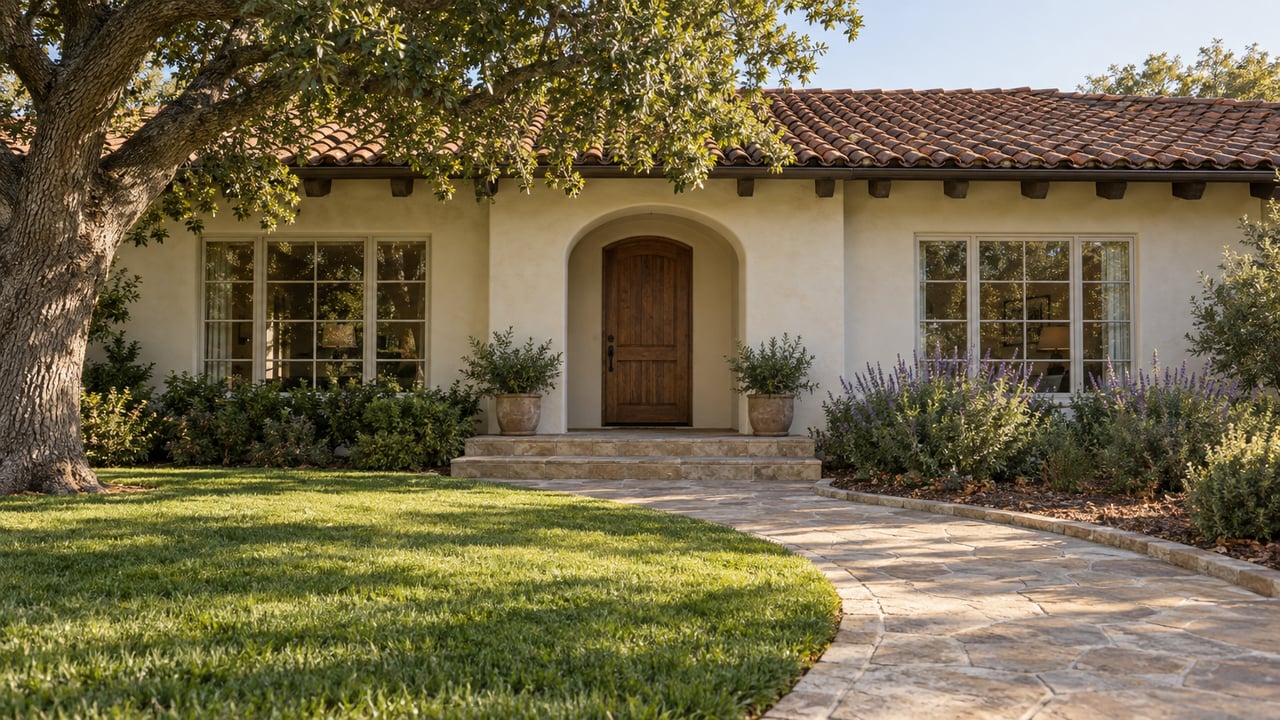
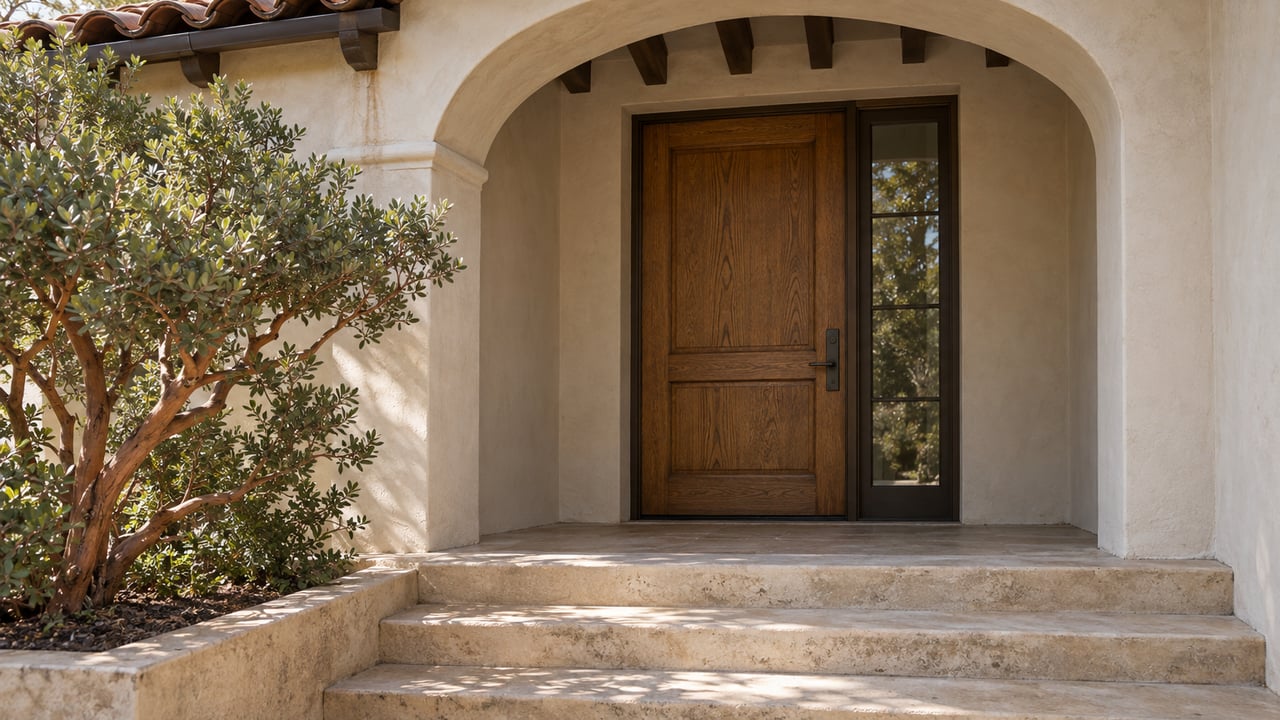
The dominant architectural story in Alamo is ranch style. Contra Costa County planning materials describe the area as mostly single-family ranch-style homes on relatively large lots, along with estates on large rural tracts. That makes ranch architecture a key part of understanding what many Alamo homes look like today.
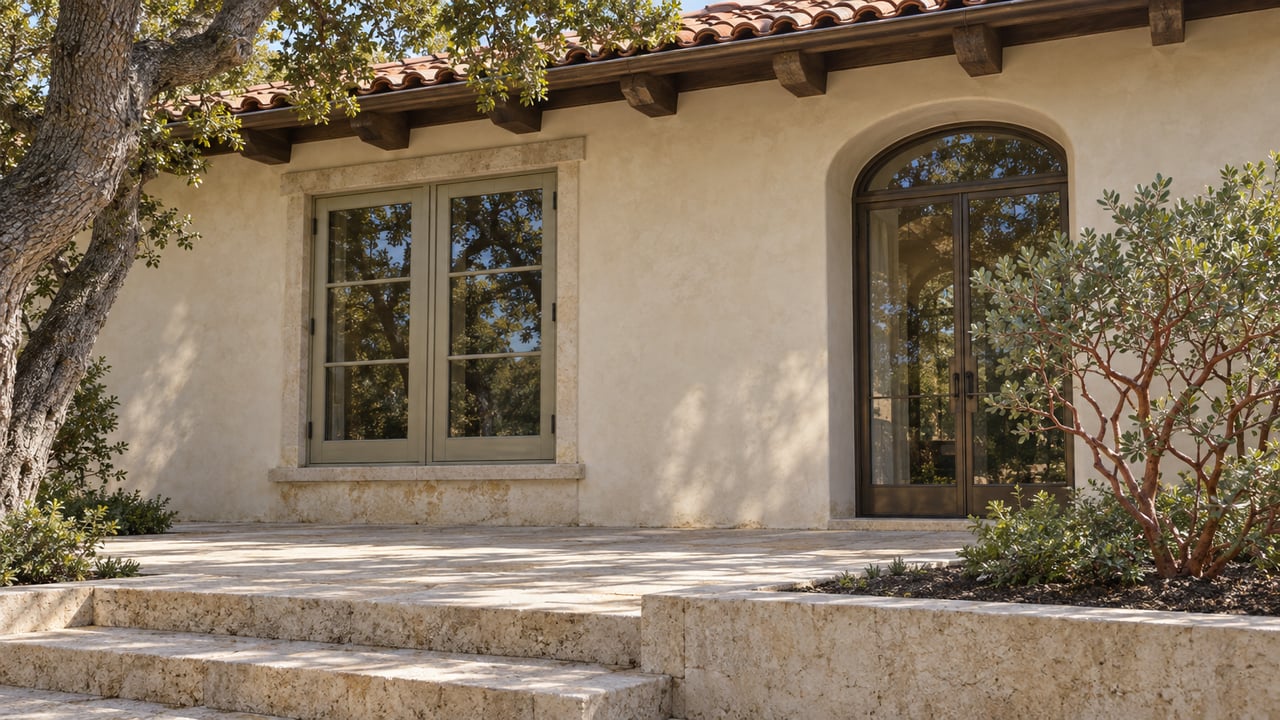
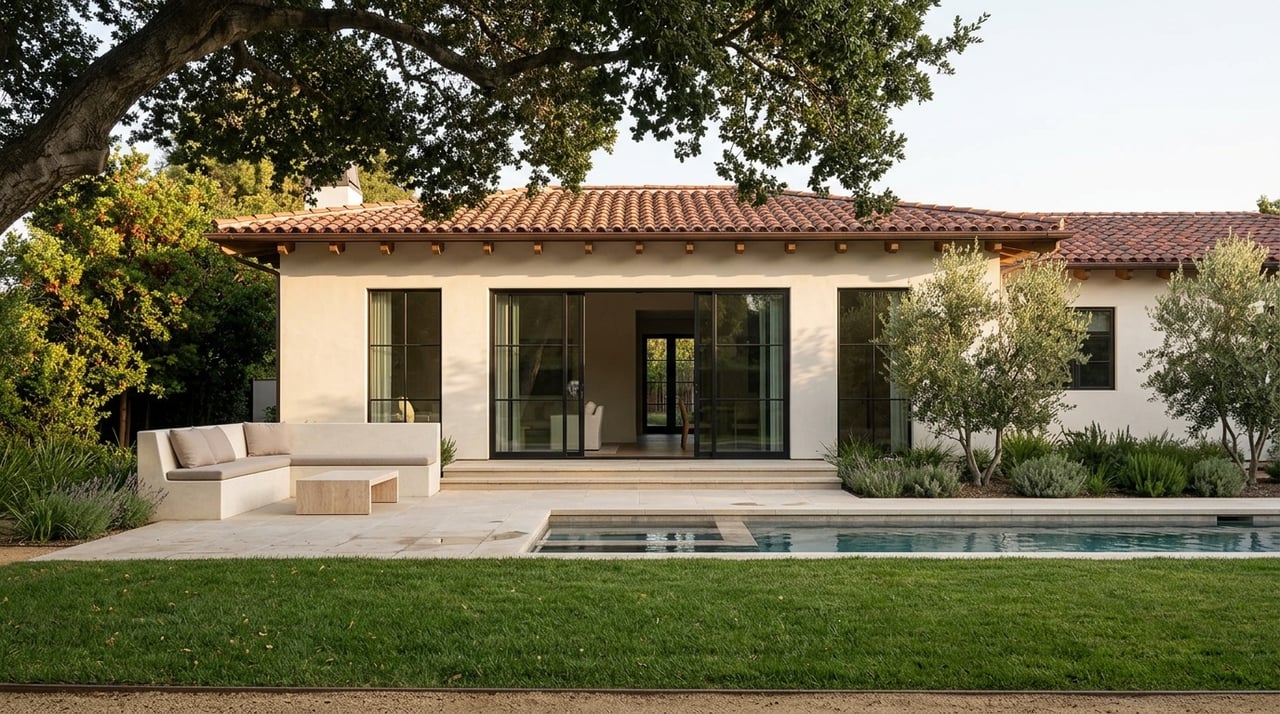
In simple terms, ranch homes are usually single-story with a long, horizontal shape. They often feature low rooflines, attached garages, and window groupings that stretch across the front or side of the home. This design supports an easy flow between indoor and outdoor spaces, which fits naturally with California living and with Alamo’s larger parcels.
For many buyers, that layout still feels practical and appealing. Single-story living can be easier to navigate, and the broad footprint often allows for generous common areas and direct access to patios, yards, or pool spaces. In Alamo, that style is not just a design choice. It is part of the area’s identity.
Are most homes single-story?
Mostly, yes. Because ranch-style homes are so common in Alamo, many homes follow the classic single-story format. You will also find properties that have been updated or expanded over time, but the low-profile ranch influence remains a strong visual theme.
What are expanded custom homes?
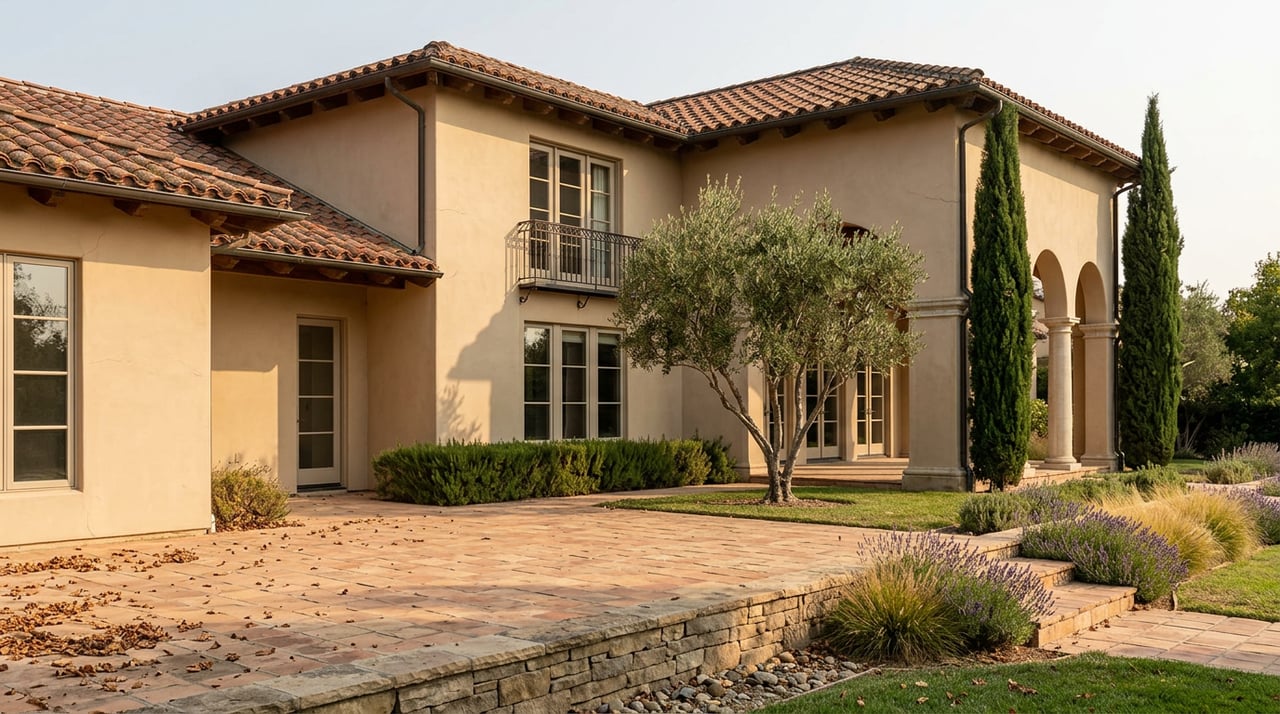
In Alamo, "expanded customs" are best understood as ranch homes that have been enlarged, remodeled, or reworked into more customized residences. Rather than representing a completely separate architectural category, they often reflect the evolution of older ranch properties on large lots.
That matters if you are evaluating a home’s style and function. A property may still carry the bones of a classic ranch, even if it now includes larger living areas, updated finishes, or a more tailored layout. In other words, Alamo architecture often blends original simplicity with later customization.
Large lots are part of the appeal
In Alamo, the lot is often just as important as the house. County planning materials note that homes are generally on lots of about one-half acre or larger, with even larger lots along some edge areas. That creates a very different experience than you would find in neighborhoods built on smaller suburban parcels.
With more land comes more flexibility. Buyers often look closely at usable yard space, privacy, mature trees, views, and the potential for outdoor amenities. Sellers benefit when they understand how to present not just the home itself, but also the lifestyle the lot makes possible.
Why lot size matters in Alamo
Large lots can change how you use a property day to day. You may have room for patios, pools, gardens, or accessory outdoor structures that would feel difficult to fit on a tighter site. In some parts of Alamo, the land also contributes to a sense of separation and calm that buyers specifically seek out.
Lot size also influences how homes sit on the land. A house with similar square footage can feel very different depending on its setbacks, tree coverage, slope, and relationship to neighboring homes. In Alamo, those site details are often a big part of first impressions.
Neighborhood patterns feel distinct
Alamo is not all one uniform pattern, even though the broader character is consistent. County planning context points to a compact commercial center around Danville Boulevard and Stone Valley Road, while noting that the only multifamily development is located east of that center near Interstate 680. Beyond that, the housing pattern remains overwhelmingly single-family.
You can also see variety in how lots and homes are arranged. Some areas are known for flatter estate-style parcels, while others feature hilly homesites, larger view lots, or country-club-adjacent settings. The common thread is space, but the specific experience of the land can vary quite a bit from one pocket of Alamo to another.
Estate lots and rural roots
Alamo’s planning history ties the area to ranches and orchards, and that background still shows up in the landscape. Estate history in the area describes properties that once included horses, walnut orchards, barns, and pool houses. That context helps explain why larger parcels still feel so natural here.
For today’s buyers, this means the story of a property may extend beyond the house walls. The arrangement of the grounds, the presence of mature trees, and the amount of open space around the home all contribute to how the property lives. In Alamo, those features are not extras. They are often part of the main appeal.
Indoor-outdoor living fits the area
One reason ranch architecture works so well in Alamo is its connection to outdoor living. Ranch design has long been associated with informal California living, and the style’s broad shape, grouped windows, and easy access to exterior spaces support that lifestyle. In Alamo, those design features are amplified by the setting.
County planning materials emphasize wooded hillsides, mature trees, open space, and a semi-rural environment. On larger lots, outdoor elements like pools, barns, orchards, and other structures can fit comfortably into the property without overwhelming it. That makes the line between the house and the land feel more connected.
What buyers should notice outdoors
If you are shopping in Alamo, it helps to evaluate more than just the interior finishes. Look at privacy, sunlight, topography, usable lawn or patio areas, and how the home opens to the outdoors. Two homes with similar architecture may offer very different everyday experiences depending on how the lot is laid out.
It is also helpful to think about long-term use. A spacious parcel may offer room for recreation, entertaining, gardening, or future changes, while a hillside site may bring views and separation. In Alamo, those outdoor tradeoffs are often central to the decision.
What sellers should highlight
If you are preparing to sell an Alamo home, your marketing should tell a complete property story. Buyers in this market are often responding to the combination of architecture, scale, and land. A well-presented home should show how the interior layout connects to the lot and how the lot supports daily living.
That means highlighting features like single-story flow, mature landscaping, outdoor entertaining areas, privacy, and any thoughtful updates that respect the home’s original character. For expanded or remodeled ranch homes, it is especially useful to show how the home has evolved while still fitting the broader Alamo setting.
Presentation matters with custom homes
Because many Alamo homes have been updated over time, buyers may be comparing originality, quality of renovation, and how cohesive the finished product feels. A home that blends classic ranch proportions with intentional modern updates can stand out. Clean presentation and strong visual storytelling can help buyers understand both the design and the lifestyle.
This is where local context really matters. The right pricing strategy and home presentation should reflect not only square footage and finishes, but also the lot, setting, and architectural character that make Alamo distinctive.
Why Alamo feels different
At a high level, Alamo reads as a single-family, large-lot, outdoor-oriented community with ranch-style roots and a semi-rural feel. That combination is increasingly rare, and it helps explain why the area leaves such a strong impression on buyers. The architecture is not flashy for the sake of being flashy. Instead, it often reflects land, scale, and livability.
If you are moving within the East Bay or relocating from elsewhere, understanding these patterns can make your home search more focused. If you are selling, it can help you position your property in a way that feels grounded and compelling. In Alamo, the house is only part of the story. The lot, the setting, and the local character matter just as much.
If you are thinking about buying or selling in Alamo or nearby East Bay communities, Joanna Chen can help you understand the local housing landscape and position your next move with confidence.
FAQs
What home style is most common in Alamo, CA?
- Ranch-style homes are the dominant architectural pattern in Alamo, with many single-family homes built in a low, horizontal style on larger lots.
How large are lots for homes in Alamo, CA?
- County planning materials describe Alamo lots as generally about one-half acre or larger, with some larger rural edge parcels as well.
Are most homes in Alamo, CA single-family properties?
- Yes. Recent housing data shows that about 97% of housing structures in Alamo are single-unit, which points to a strongly single-family housing market.
Is multifamily housing common in Alamo, CA?
- No. County planning materials indicate that multifamily housing is limited to a small area near Interstate 680 and the Danville Boulevard commercial center.
Why do lots matter so much when buying a home in Alamo, CA?
- In Alamo, buyers often weigh privacy, usable outdoor space, mature landscaping, views, and expansion potential alongside the house itself because the lot is a major part of the property’s appeal.