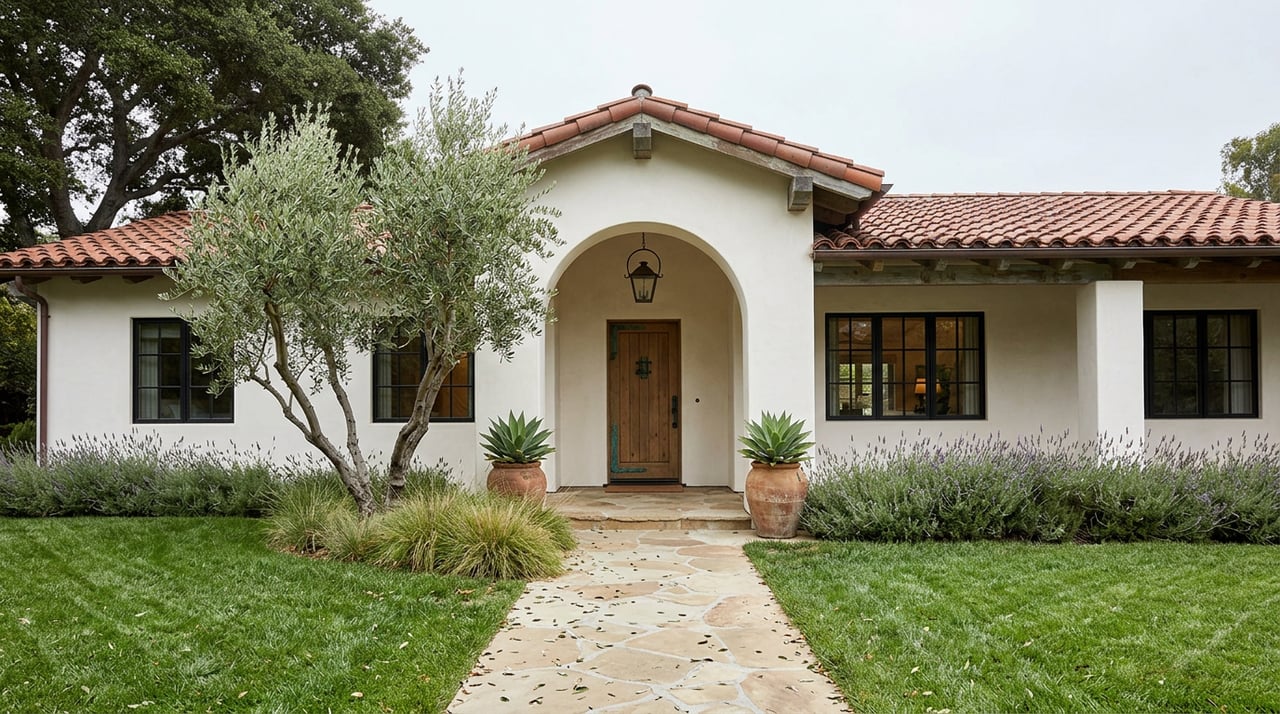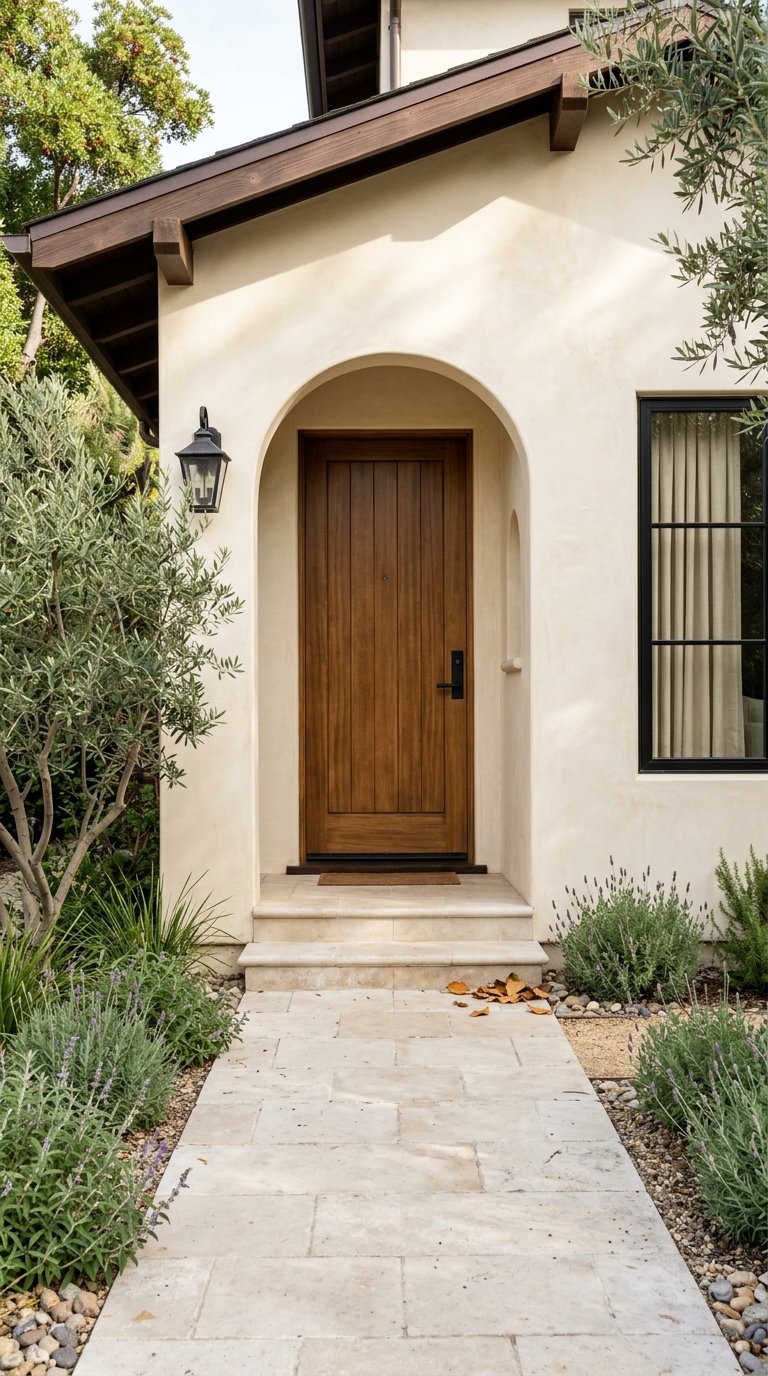
Thinking about selling your home in Walnut Creek? In a market where listings can move quickly and buyers often compare every detail online, the difference between a smooth, profitable sale and a stressful one usually comes down to preparation. If you want to price well, avoid surprises, and launch with confidence, this step-by-step guide will walk you through what to do before, during, and after your home hits the market. Let’s dive in.
Understand the Walnut Creek market
Before you make a to-do list, it helps to know what kind of market you are stepping into. Walnut Creek is a fast-moving seller's market, but that does not mean every home sells the same way.
According to Redfin's Walnut Creek housing market data, homes sold in about 12 days on average in March 2026, with a median sale price of $830,000 and an average sale-to-list ratio of 103%. Realtor.com's Walnut Creek market overview also points to a competitive market, showing a median listing price of $782,500 and a 27-day median time on market in February 2026.
The exact numbers differ because the data comes from different sources and time periods, but the big picture is clear: Walnut Creek sellers are operating in a market where strong preparation matters and buyers move fast.
Price by micro-market
One of the biggest mistakes sellers make is relying too much on the citywide average. Walnut Creek is highly neighborhood-specific, and pricing should reflect your home's location, condition, updates, and recent comparable sales.
Realtor.com's neighborhood data for Walnut Creek shows a wide range of listing prices across the city. Median listing prices run from about $411,000 in Diablo Hills to about $1,749,500 in Walnut Heights, with Downtown Walnut Creek around $839,999 and Rossmoor around $587,000.
That spread is exactly why pricing is not a one-size-fits-all decision. If you want the best result, your strategy should be built around your specific micro-market, not just a headline number for the whole city.
Start 6 to 12 months early
If you have time before listing, use it. The earlier you start, the more options you have to fix issues, gather documents, and make smart pre-sale decisions without feeling rushed.
This phase is especially important if your home has additions, conversions, or larger remodels. The City of Walnut Creek building records page explains that the city keeps official copies of building records and plans, while addresses marked UNIC on the zoning web map are unincorporated and handled through Contra Costa County.
Check permits and records
Buyers often ask questions about past work, and missing paperwork can slow things down. Start by locating records for major improvements such as additions, remodels, HVAC replacement, roofing, window upgrades, or electrical and plumbing work.
If you cannot find the documents, request them early. This gives you time to confirm what was permitted and decide how to address any gaps before your home goes live.
Tackle deferred maintenance
You do not need to renovate everything to sell successfully. You do want to reduce obvious issues that may make buyers hesitant or lead to questions during escrow.
Focus first on visible repairs, incomplete projects, leaks, damaged finishes, and anything that could make the home feel less cared for. Even in a strong market, buyers notice condition.
Prepare 30 to 90 days before listing
This is the window when your home starts shifting from lived-in space to market-ready product. Your goal is simple: make it easy for buyers to see the home's value quickly, both online and in person.
That usually means decluttering, deep cleaning, improving curb appeal, and planning your media and staging strategy.
Declutter and clean first
According to the National Association of Realtors' 2025 staging report, 91% of sellers' agents recommended decluttering, 88% recommended cleaning the entire home, and 77% recommended improving curb appeal.
This is the foundation of a strong launch. Before you spend money on extra styling, clear out surfaces, simplify storage areas, remove excess furniture if needed, and make sure the home feels bright, clean, and easy to walk through.
Focus on the most important rooms
If your budget is limited, prioritize the spaces buyers notice first. NAR found that buyers' agents said the living room, primary bedroom, and kitchen were the most important rooms to stage.
That makes sense in Walnut Creek, where many buyers are comparing homes quickly online. If those key rooms look polished and inviting, your listing often makes a stronger first impression.
Plan for photos and video
Presentation matters long before a showing is booked. The same NAR staging report found that 73% of buyers' agents saw listing photos as highly important, while 48% said the same for videos and 43% for virtual tours.
For many sellers, that supports a polished launch instead of a casual list-and-wait approach. In a competitive Walnut Creek market, strong visuals can help your home stand out right away.
Build your disclosure packet early
A smooth sale often starts before the first buyer walks through the door. In California, disclosures are not just a formality. They are a major part of the transaction.
Putting your disclosures together early helps buyers write with confidence and reduces the chance of delays later.
Know the key California disclosures
California's standard seller packet typically includes the Transfer Disclosure Statement and Natural Hazard Disclosure requirements. The TDS covers the property's condition, while the NHD addresses whether the property is located in certain mapped hazard areas, including flood, dam inundation, high or very high fire hazard severity zones, wildland fire areas, earthquake fault zones, and seismic hazard zones.
For Walnut Creek sellers, the fire-zone questions may deserve extra attention where applicable, especially for properties near hills or open space. The California code specifically includes these natural hazard disclosure categories.
Understand timing rules
Timing matters more than many sellers realize. Under California law, if required disclosures or material amendments are delivered after the buyer signs the offer, the buyer generally gets time to cancel: 3 days if hand-delivered, or 5 days if mailed or delivered electronically in an electronic transaction, based on the state disclosure timing rules.
That is one reason many sellers prepare the full disclosure package before marketing the home or before accepting an offer. It helps keep the process cleaner and more predictable.
Check for lead-based paint rules
If your home was built before 1978, federal rules may apply. The EPA's lead-based paint disclosure guidance says sellers and agents must provide the lead pamphlet, disclose known information and hazards, share available reports, and keep signed records.
If this applies to your home, it is best to gather the paperwork early so nothing gets missed once the listing is active.
Launch with a strategy
Once the home is prepared, records are organized, and disclosures are underway, it is time to go live. This is where pricing, presentation, and timing come together.
Nationally, the NAR 2025 Profile of Home Buyers and Sellers found that 91% of sellers used a real estate agent, and top seller priorities included marketing the home, pricing it competitively, and selling within a specific timeframe. Those priorities fit Walnut Creek well.
A structured launch can help you attract serious buyers early, create momentum, and put yourself in a stronger position when offers come in.
Review offers carefully
In a competitive market, the highest price is not always the strongest offer. Once interest starts coming in, you will want to compare both the headline number and the terms.
Redfin's market data notes that Walnut Creek homes often receive multiple offers and may include waived contingencies, while Realtor.com's local overview shows homes selling around asking price on average. That means your decision should go beyond list price versus sale price.
Compare more than price
When reviewing offers, pay attention to:
- Financing strength
- Contingency periods
- Buyer flexibility on timing
- Overall cleanliness of the contract
- Likelihood of closing smoothly
A slightly lower offer with fewer risks can sometimes be the better choice. The goal is not just to accept a number. It is to choose the offer most likely to close on your terms.
Get ready for escrow
Once you are under contract, the process shifts from marketing to execution. This is where early organization really pays off.
Sellers who have permits, warranties, inspection reports, and disclosures ready often move through escrow with fewer last-minute questions. The City of Walnut Creek's building records resources can also help if a buyer asks for verification of past work.
Stay responsive during buyer review
Even strong offers can lead to follow-up questions. Buyers may ask for more information about repairs, updates, or prior permits.
The faster and more clearly you can answer, the easier it is to keep momentum going. This is another reason preparation before listing is so valuable.
Budget for seller closing costs
Many sellers focus so much on pricing that they forget to estimate net proceeds. One important line item in Walnut Creek is transfer tax.
According to the Walnut Creek municipal code, the city imposes a real property transfer tax of $0.275 per $500 of consideration. Contra Costa County also charges a documentary transfer tax of $0.55 per $500, bringing the combined total to about 0.165% of the sale price.
That works out to about $1,650 on a $1 million sale. It is a relatively small percentage, but it is still worth including in your estimate when you plan your move.
A simple Walnut Creek seller checklist
If you want a practical roadmap, here is the process in order:
- Review your timeline and selling goals.
- Research your micro-market and likely pricing range.
- Gather permits, records, warranties, and maintenance history.
- Fix visible issues and reduce deferred maintenance.
- Declutter, clean, and improve curb appeal.
- Stage key rooms, especially the living room, primary bedroom, and kitchen.
- Prepare professional photos and video.
- Complete disclosures early, including hazard and lead-based paint forms when applicable.
- Launch with a clear pricing and marketing plan.
- Compare offers based on both price and terms.
- Stay organized and responsive through escrow.
- Account for closing costs, including transfer taxes.
Selling a home in Walnut Creek can move quickly, but the best results usually come from a thoughtful plan, not guesswork. If you want help pricing your home, preparing it for market, and building a sale strategy around your specific neighborhood and goals, connect with Joanna Chen for local guidance and a personalized next step.
FAQs
What is the first step to selling a home in Walnut Creek?
- The first step is understanding your timeline, your home's likely value in its specific Walnut Creek micro-market, and what preparation may be needed before listing.
How fast do homes sell in Walnut Creek?
- Recent market data shows Walnut Creek homes can sell quickly, with Redfin reporting about 12 average days to sell in March 2026 and Realtor.com reporting a 27-day median in February 2026.
What disclosures do Walnut Creek home sellers need in California?
- Many California sellers need a Transfer Disclosure Statement, a Natural Hazard Disclosure Statement, and, for homes built before 1978, federal lead-based paint disclosures.
Why should Walnut Creek sellers gather permits before listing?
- Permit records can help answer buyer questions about past work, reduce surprises during escrow, and support a smoother transaction.
How should sellers evaluate offers in Walnut Creek?
- Sellers should compare offer price, financing strength, contingency length, timing, and the overall likelihood of a clean closing.
What transfer taxes do sellers pay in Walnut Creek?
- Walnut Creek sellers should plan for both city and county transfer taxes, which together total about 0.165% of the sale price based on current published rates.