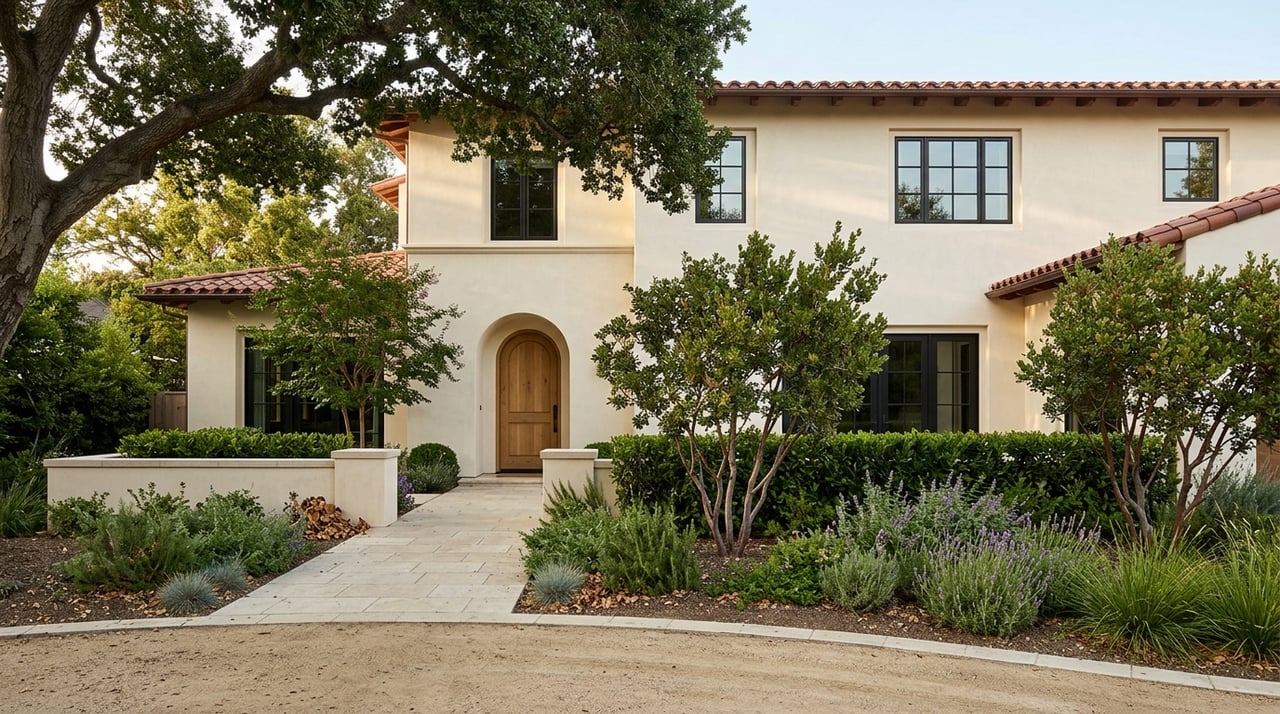
If you want more room to breathe without giving up day-to-day convenience, Alamo deserves a closer look. Many East Bay buyers are trying to balance privacy, outdoor access, and a practical commute, and that can feel hard to find in one place. In Alamo, the appeal is not about being far from everything. It is about having space, a quieter residential feel, and easy access to nearby amenities. Let’s dive in.
Why Alamo Feels Different
Alamo is an unincorporated community in Contra Costa County rather than a separate city. According to Contra Costa County’s Alamo community page, the area had 15,314 residents in the 2020 Census across 9.82 square miles, which works out to a population density of 1,560.1 people per square mile.
That lower-density pattern helps explain why Alamo often feels more spacious than more urban-feeling East Bay communities. You are not looking at a downtown-centered setting here. Instead, you get a residential area with county-level administration and a day-to-day rhythm that feels quieter and more spread out.
Space Means More Than Square Footage
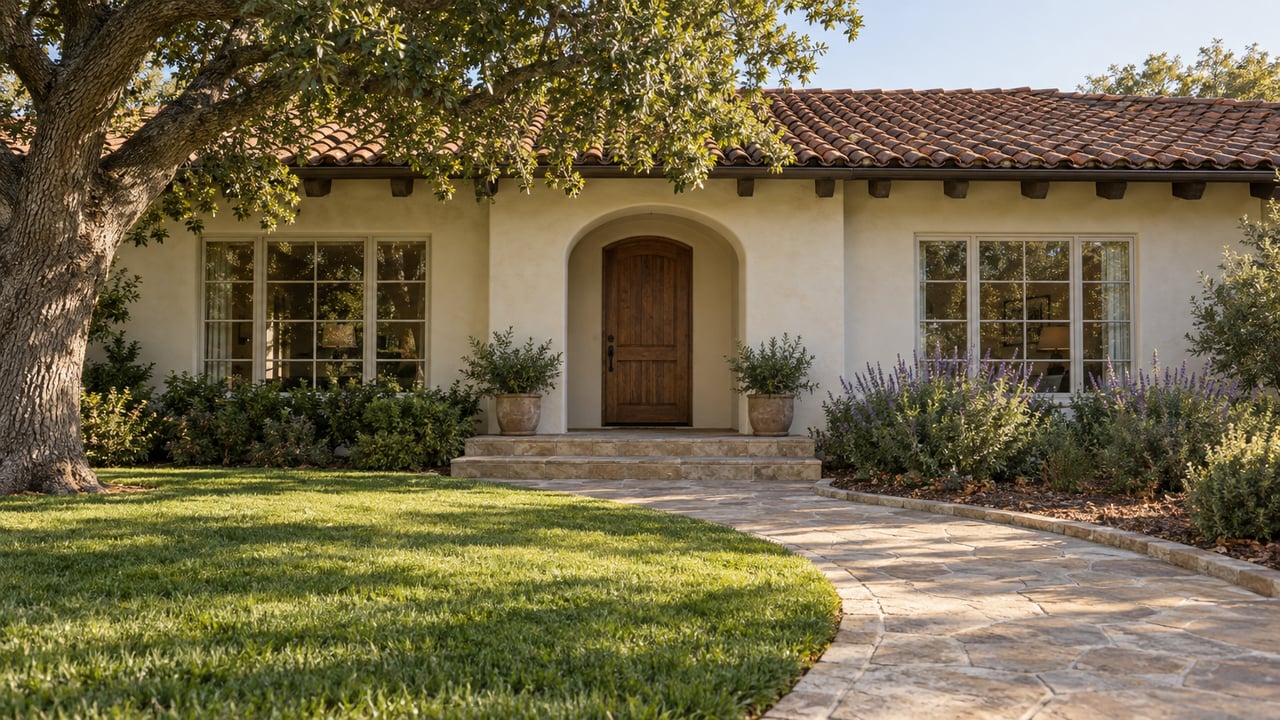
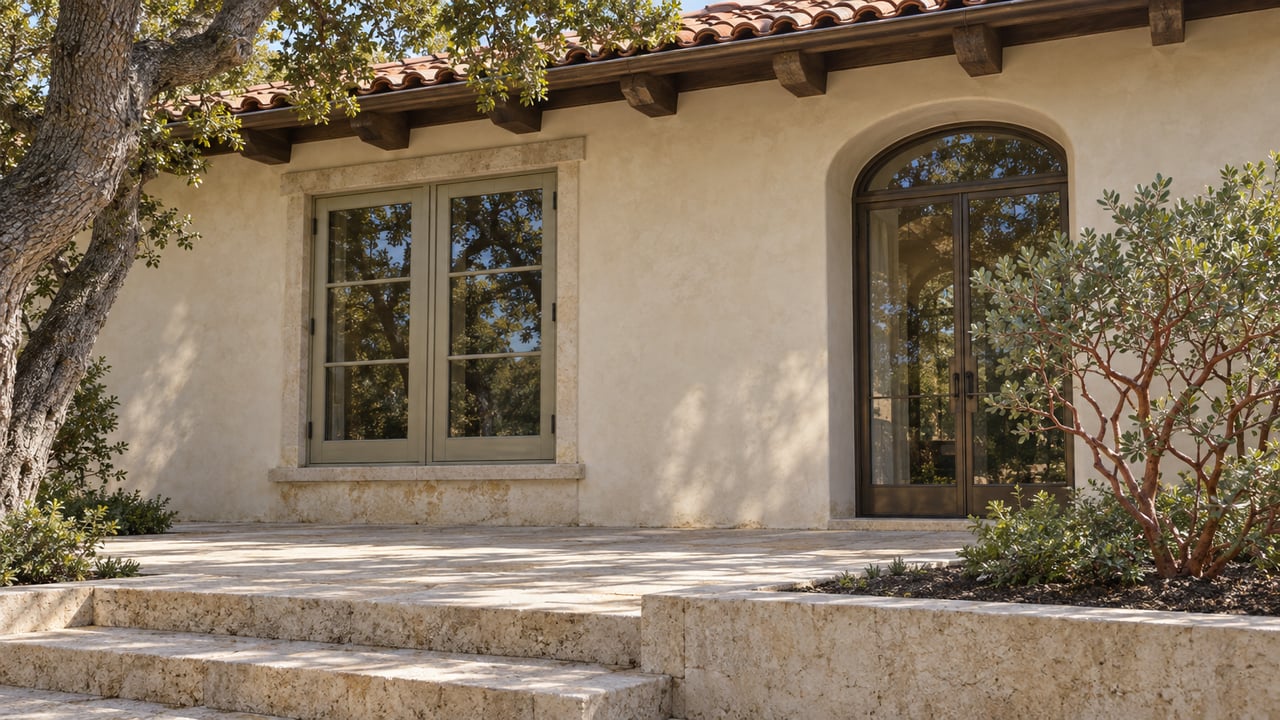
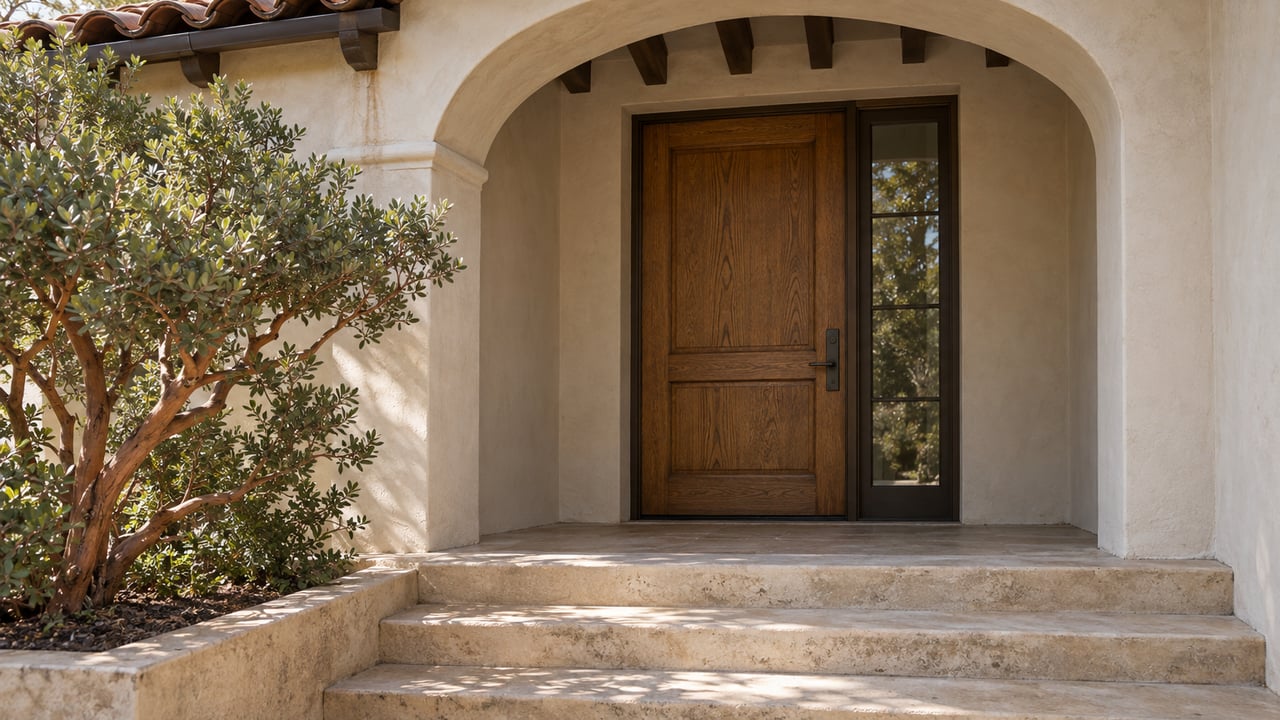
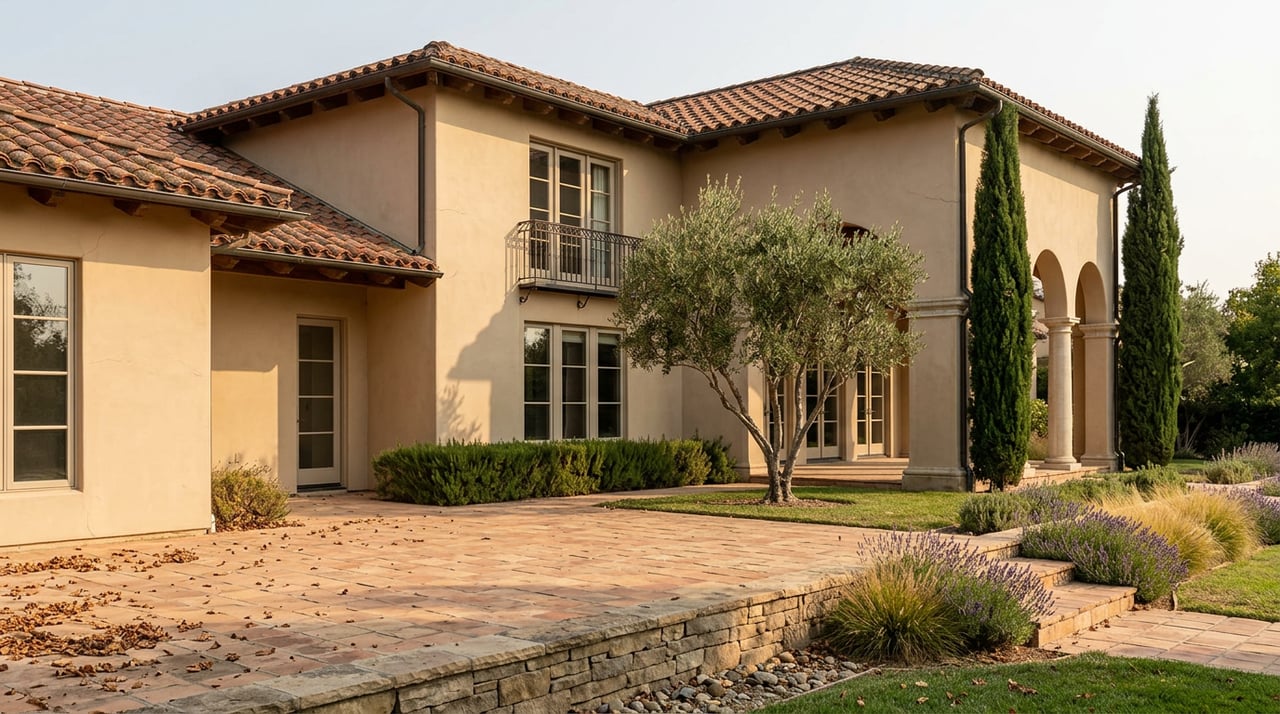
One of Alamo’s biggest draws is how the housing pattern supports a sense of openness. The Contra Costa County 2045 General Plan describes the area as mostly single-family ranch-style homes on relatively large lots, along with estates on large rural tracts and some multifamily homes along Danville Boulevard south of Stone Valley Road.
That description matters because “space” in Alamo is not just about a larger home. It is also about lot size, setbacks, mature landscaping, and the way homes are arranged across the community. In practical terms, that can mean a property feels more private and less compressed than what you may find in denser neighborhoods nearby.
It is also helpful to keep expectations realistic. Large-lot character does not mean every parcel is the same size. County planning guidance for low-density residential areas notes that sites can be as large as 43,560 square feet, or one acre, which helps explain the spacious feel without suggesting every home sits on an estate-sized lot.
What Privacy Looks Like in Alamo
In Alamo, privacy usually means a residential setting with fewer homes packed tightly together, more single-family properties, and closer access to open space. It is not total seclusion. It is a more everyday version of privacy that comes from the built environment and the surrounding landscape.
The area’s roots also help tell that story. County planning materials note that Alamo and Castle Hill began as ranch-and-orchard communities and remained rural until postwar freeway access made the area more accessible. That history still shows up in the layout and feel of the area today.
Housing data supports the idea that Alamo is a stable residential community. The U.S. Census QuickFacts for Alamo show that 91.8% of occupied housing units are owner-occupied, and 89.8% of residents lived in the same house one year earlier. For you as a buyer, that points to a neighborhood pattern with relatively low turnover and a strong owner-occupied presence.
Outdoor Access Is Part of Daily Life
One reason Alamo stands out is that the outdoor lifestyle is not limited to occasional weekend plans. It is built into everyday living through trails, parks, and nearby open space.
The Iron Horse Regional Trail is one of the community’s most useful amenities. East Bay Regional Park District says the trail runs 32 miles from Concord to Pleasanton and passes through Walnut Creek before connecting through a rural and residential stretch to downtown Alamo, the Alamo Square shopping center, and downtown Danville.
That kind of connection changes how a place feels. You can enjoy a quieter residential setting while still having a practical path to local shopping, downtown areas, and transit connections. The trail also supports multiple uses, including bikes, e-bikes, dogs, horses, and wheelchairs, with Alamo trailheads at Danville Boulevard, Lisa Lane, and Stone Valley Road.
Parks and Open Space Nearby
Beyond the Iron Horse Trail, Alamo has access to both neighborhood parks and larger open-space destinations. Contra Costa County lists Alamo School Sports Field and Batting Cages, Andrew H. Young Park, Hap Magee Ranch Park, Livorna Park, Rancho Romero School Sports Field and Park, and Hemme Station Park among the local recreation spaces in the community.
For bigger scenery and more of an escape, Las Trampas Wilderness Regional Preserve is a major lifestyle asset nearby. East Bay Parks describes it as a 6,050-acre preserve with hiking and horseback riding, and specifically notes the sense of privacy and escape the terrain provides. The preserve also includes Las Trampas Stables, which offers horse boarding and riding lessons.
If outdoor access is high on your list, Alamo gives you a strong mix of practical and scenic options. You can enjoy neighborhood-level parks for everyday routines and also have easy access to larger preserved land when you want a more expansive setting.
East Bay Convenience Still Matters
Space and privacy are important, but convenience still shapes how livable a community feels. Alamo’s location is a big part of why many buyers look here.
According to county planning materials, Alamo sits between Walnut Creek and Danville, with Danville Boulevard and Stone Valley Road as major thoroughfares and Interstate 680 as the key nearby corridor. That location helps explain why the area can feel calm and residential while still staying connected to established East Bay amenities.
If you rely on transit for part of your commute, the Walnut Creek BART station is a nearby option at 200 Ygnacio Valley Road. BART describes Walnut Creek as a business and arts center for Contra Costa County, and East Bay Parks notes that the Iron Horse Trail connects to public transportation, including BART and County Connection.
The Census reports a mean travel time to work of 29.2 minutes for Alamo workers. While many daily routines here are still likely to be car-oriented, the combination of I-680 access, nearby BART, and trail connectivity adds flexibility.
A Residential Community With County Services
Because Alamo is unincorporated, county agencies handle practical matters such as planning entitlements, building permits, and code enforcement. That is different from living in an incorporated city with its own municipal government.
For some buyers, that may not change much in everyday life. For others, it is useful context when you are evaluating permits, property improvements, or local service questions. It is one more reason why working with someone who understands East Bay neighborhoods at a local level can make the process smoother.
Who Alamo May Appeal To Most
Alamo can be a strong fit if you are looking for:
- More separation between homes
- A mostly single-family residential setting
- Access to trails, parks, and open space
- A location between Walnut Creek and Danville
- A quieter environment that still connects to major East Bay routes
It may be especially appealing if your home search is focused on lifestyle first. If you want a place where the physical setting supports a little more breathing room, Alamo offers a clear and consistent identity.
What the Market Context Suggests
Alamo’s housing and income data reflect a higher-cost market. The Census reports a median value of owner-occupied homes at $2,000,000+, median gross rent at $3,500+, median household income at $250,000+, per-capita income at $141,615, and poverty at 2.1%.
Those numbers do not define every property or every household, but they do help explain the market context. In general, Alamo is associated with larger homes, high owner occupancy, and a more established residential profile. If you are comparing East Bay communities, this data helps show why Alamo often enters the conversation for buyers seeking more space and a premium residential setting.
The Bottom Line on Living in Alamo
Alamo offers a mix that can be hard to duplicate in the East Bay: larger-lot character, a more private residential feel, strong outdoor access, and practical convenience to Walnut Creek, Danville, BART, and I-680. It is not trying to be the busiest or most urban place in the region. That is exactly the point.
If you are exploring where to buy in the East Bay, Alamo is worth a closer look when your priorities include space, stability, and a quieter everyday setting. If you want help comparing Alamo with Walnut Creek, Danville, or nearby communities, Joanna Chen can help you narrow down what fits your lifestyle and goals.
FAQs
What is Alamo, California, known for?
- Alamo is known for its spacious residential feel, mostly single-family homes on relatively large lots, access to trails and open space, and a location between Walnut Creek and Danville.
Is Alamo, California, a city?
- No. Alamo is an unincorporated community in Contra Costa County, which means county agencies handle services such as planning, permits, and code enforcement.
What is outdoor life like in Alamo?
- Outdoor life in Alamo includes access to the 32-mile Iron Horse Regional Trail, local parks throughout the community, and nearby Las Trampas Wilderness Regional Preserve for hiking and horseback riding.
Is Alamo convenient for commuting in the East Bay?
- Alamo offers access to Interstate 680, nearby connections to Walnut Creek and Danville, and a Walnut Creek BART option for regional transit.
What kind of homes are common in Alamo?
- County planning documents describe Alamo as mostly single-family ranch-style homes on relatively large lots, along with some estates on large rural tracts and limited multifamily housing in certain areas.
Is Alamo a stable housing market?
- Census data suggests a stable residential pattern, with 91.8% owner-occupied housing and 89.8% of residents living in the same home one year earlier.