Trying to decide between Walnut Creek and Alamo for your next home? You are not alone. Both offer strong schools, convenient East Bay access, and great quality of life, yet the day-to-day experience can feel very different. In this guide, you will get clear, data-backed comparisons on housing, schools, commute, and lifestyle so you can choose with confidence. Let’s dive in.
Fast facts: Alamo vs. Walnut Creek
Alamo
- Price and lots: As of Jan 2026, third-party market snapshots show a median sale price around ~$2.4M. Many homes sit on larger lots, often 0.3–0.5 acres, with estates reaching 0.5–1.0 acres. U.S. Census QuickFacts reports median household income $250,000+ and median owner-occupied value $2,000,000+.
- Schools: Most addresses feed into San Ramon Valley Unified School District (SRVUSD). Examples include Rancho Romero Elementary, Stone Valley Middle, and Monte Vista High. Always verify by exact address.
- Transit: No BART station in town. County Connection Route 21 links Alamo/Danville to Walnut Creek BART on weekdays, with weekend service on Route 321. Many residents drive to BART or commute by car.
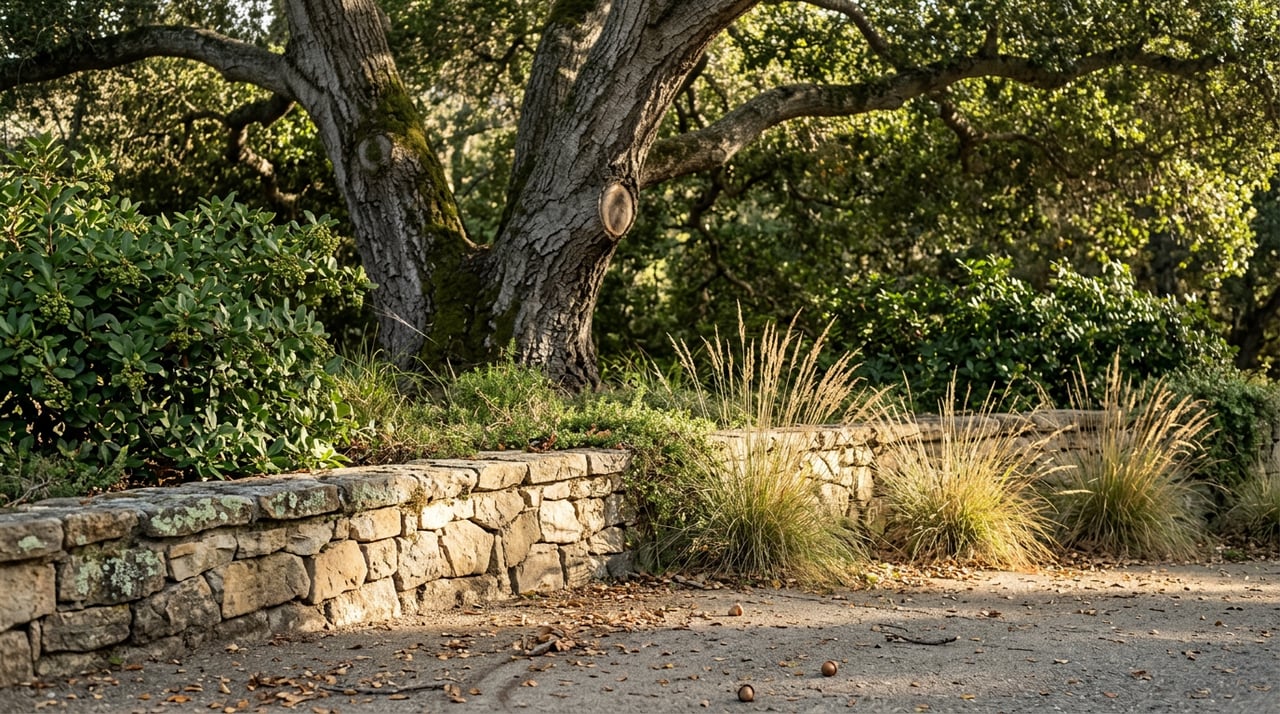
- Vibe: Quieter, semi-rural feel with immediate access to open space and country-club neighborhoods.
Walnut Creek
- Price and variety: As of Jan 2026, market snapshots show a median sale price around ~$795k citywide, reflecting a mix of condos, townhomes, and single-family homes. Census QuickFacts reports median household income $130,432 and median owner-occupied value $1,057,300.
- Schools: Elementary schools are primarily in Walnut Creek School District (WCSD). Most high school students attend Acalanes Union High School District (AUHSD), including Las Lomas High. Verify by address.
- Transit: Downtown BART station with typical rides to central San Francisco in about 35–40 minutes based on published schedules. Walkable downtown with dense shopping and dining.
- Vibe: Urban-suburban center with the arts, festivals, and an active retail core.
Figures change monthly. Use the most recent MLS and aggregator data when you are ready to move forward.
Schools: boundaries and how to verify
Both places sit in strong school ecosystems. What matters most is your specific address and its assigned schools.
- Alamo: Most neighborhoods feed San Ramon Valley Unified School District. Use the district’s site to confirm attendance zones and programs. San Ramon Valley USD
- Walnut Creek: Elementary schools are typically in Walnut Creek School District with high schools in Acalanes Union High School District. Check both to confirm by address. Walnut Creek School District | Acalanes Union HSD
How to check your child’s path:
- Enter the property address into the district’s school-site locator or boundary resources on SRVUSD, WCSD, and AUHSD.
- Review program details on independent rating sites for context, then contact the school for the latest offerings and enrollment steps.
- Confirm final assignment directly with the district, since policies and boundaries can change.
Housing and lot size: what you will find
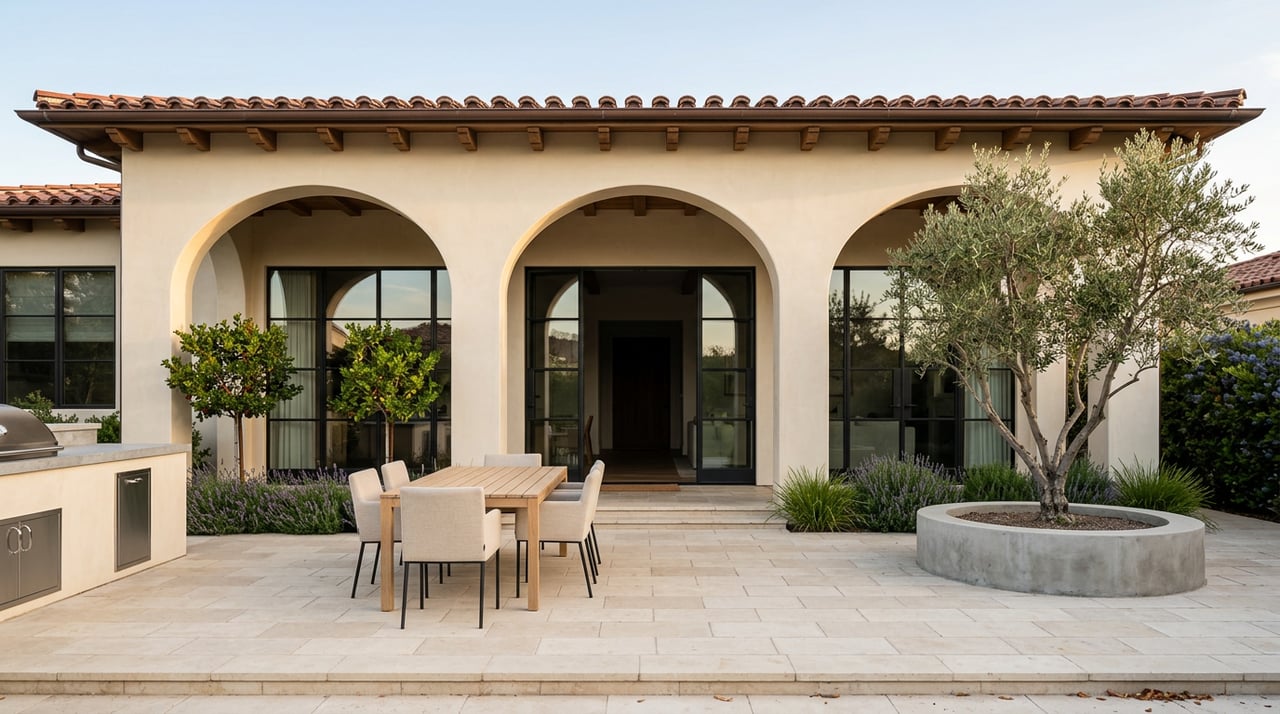
Alamo tends to offer larger lots and more privacy. Many properties in neighborhoods like Roundhill, Bryan Ranch, and White Gate show lot sizes in the 0.3–0.5 acre range, and some estates reach or exceed 0.5–1.0 acres. Home styles often include mid-century ranch remodels, traditional ranch, and custom estate homes near the foothills.
Walnut Creek offers a wider range of property types. You will find condos and townhomes with lower-maintenance footprints, classic single-family homes on lots often in the 7,500–12,000 sq ft range, and select hilltop properties with views in areas like Shell Ridge and parts of Northgate. Styles vary from bungalows and mid-century ranches to newer infill condos and townhouses.
Budgets: what your money typically buys
- Entry or modest-to-mid budgets: If you are exploring condos and townhomes, Walnut Creek typically has more options and walkable locations near downtown and BART.
- Move-up single-family (3–4 bedrooms): Both markets are possible. Alamo often delivers more land and privacy per dollar. Walnut Creek offers a variety of neighborhood settings, including homes closer to parks, schools, and downtown amenities.
- Luxury and estate budgets (>$2M): Alamo has more estate-size lots and country-club neighborhoods. Walnut Creek includes select high-end enclaves and view homes.
Market snapshots vary by provider and by product type. Always check current MLS data the week you plan to write an offer.
Commute and daily logistics
- BART and transit: Walnut Creek’s downtown BART station is a major advantage if you commute to Oakland or San Francisco. Typical rides to central San Francisco are often about 35–40 minutes based on published schedules. Review the BART system overview for planning. BART system overview
- From Alamo to BART: Alamo does not have a BART station. County Connection Route 21 provides weekday service between San Ramon/Danville and Walnut Creek BART, with weekend service on Route 321. Check the official schedule before commuting. County Connection Route 21
- Highway access: Both communities sit along I-680, with SR-24 connecting Walnut Creek toward the Caldecott Tunnel and San Francisco/Oakland corridors. According to U.S. Census QuickFacts, mean travel-to-work times are similar for Alamo and Walnut Creek, but real-world drive times vary greatly by time of day. Census QuickFacts
Lifestyle and neighborhood vibe
- Walnut Creek: Expect a lively, amenity-rich core with Broadway Plaza, the Lesher Center, and a steady calendar of events. Many families appreciate short trips for dining, arts, classes, and errands. Learn more about city culture and venues in this local overview. Walnut Creek overview
- Alamo: Think village-like, quieter streets with a semi-rural feel. You will find small shopping centers, a local plaza, and quick access to trails and open space. Country-club neighborhoods add a recreation-focused lifestyle.
Safety and preparedness are part of life near our East Bay hills. If you are considering properties close to open space, ask your agent about defensible-space requirements and wildfire maps, and talk with your insurance provider early.
Which should you choose?
- Choose Alamo if you want larger lots, more privacy, and immediate access to open space, and you are comfortable driving to BART or commuting by car.
- Choose Walnut Creek if you value transit access, walkable amenities, and a wider range of housing types that include lower-maintenance options.
- For schools, remember that district boundaries matter more than the city name. Verify every address with the districts.
- For resale and liquidity, Walnut Creek’s walkable condos and smaller single-family homes near BART often see steady demand, while Alamo’s estates offer strong value with generally lower turnover.
Ready to compare homes side by side?
You do not have to figure it out alone. If you want neighborhood-level guidance, school boundary checks, or help weighing tradeoffs like lot size versus walkability, reach out. As a Walnut Creek–based local expert, Joanna Chen can help you clarify the right fit and move forward with confidence.
FAQs
How do Alamo and Walnut Creek home prices compare for families?
- As of Jan 2026, third-party snapshots show Alamo’s median sale price around ~$2.4M, while Walnut Creek’s is around ~$795k citywide, reflecting Walnut Creek’s broader mix of condos, townhomes, and single-family homes.
Which place usually offers bigger yards, Alamo or Walnut Creek?
- On average, Alamo offers larger lots, commonly 0.3–0.5 acres with estate parcels exceeding 0.5 acres, while Walnut Creek more often features smaller single-family lots and many condo or townhome options.
Are public schools very different between Alamo and Walnut Creek?
- Both areas sit in strong school ecosystems. Many Alamo addresses feed SRVUSD, while Walnut Creek students often attend WCSD elementary schools and AUHSD high schools. Verify by address with each district.
Which area is better for commuting to San Francisco by transit?
- Walnut Creek. It has a downtown BART station with typical rides to central San Francisco in about 35–40 minutes based on published schedules. Alamo residents usually drive or bus to Walnut Creek BART first. BART overview | County Connection Route 21
How do commutes by car compare between Alamo and Walnut Creek?
- Both rely on I-680, with Walnut Creek also connecting to SR-24. Census QuickFacts show similar mean travel-to-work times, though actual drive times vary widely by time of day. Census QuickFacts